Safeload Coverage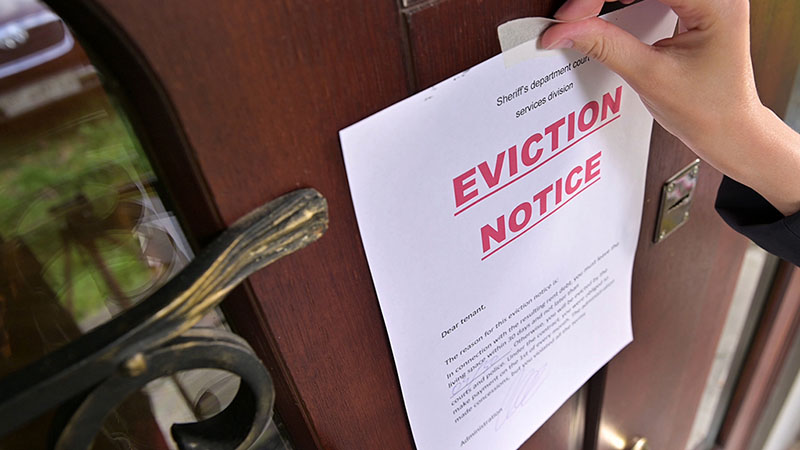
When a prospective tenant signs a lease agreement with their landlord, it’ll usually state what happens when the landlord gives you an eviction notice. Learning how to avoid eviction is a good idea, so you understand how to prevent it from happening to you.
Moving Help® will explain why you might receive an eviction notice, how to communicate with your landlord, know your rights, and how to proceed forward from the moment you receive your notice.
Why You Got an Eviction Notice
Landlords can give their tenants eviction notices for a variety of reason. We’ll discuss the three main reasons as to why you might get one. Missing rent, lease violations, and end of lease or month-to-month notice are the most common reasons.
1. Missing Rent
The most common reason a landlord will give their tenant an eviction notice is because the tenant is behind on rent. They’re missing rent altogether, sending in rent late, or not paying the full amount.
2. Lease Violations
If you violate something within your lease agreement, you could receive an eviction notice. You can avoid eviction by following the rules within your lease. Some examples include not damaging your rental unit, not creating excessive noise, not keeping pets that aren’t authorized to be there, just to name a few.
If you violate these conditions, your landlord might take action against you.
3. End of Lease/Month-to-Month Notice
If your lease is ending or month-to-month lease is ending, your landlord will give you a notice to vacate the premises. If you don’t leave before your lease ends, it could result in action against you.
Communicate With Your Landlord
It goes without saying that communication is the best policy. If you have any questions, you should contact your landlord to gather more information about the situation. Always get everything in writing.
Remember, communication is key. You can’t ignore the eviction notice, and you should work on a solution with your landlord — if feasible.
How to Avoid Eviction? Don’t Ignore the Notice
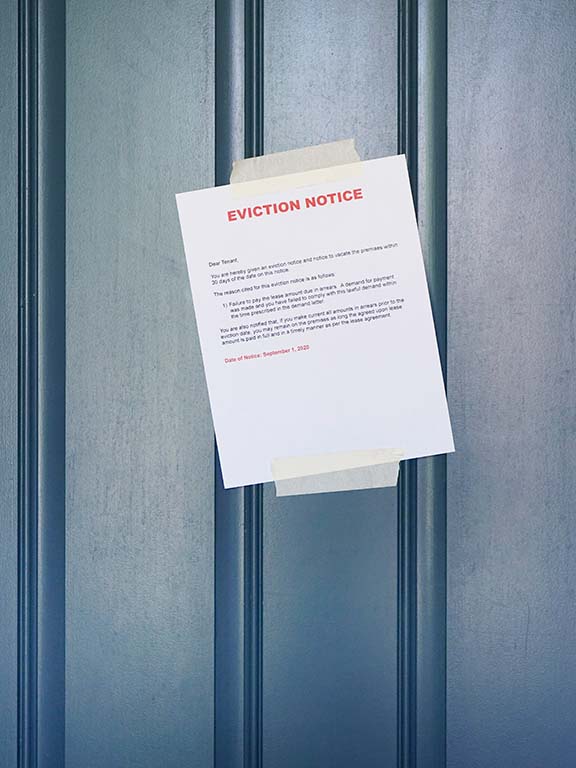
The first step in “how to avoid eviction” is not causing violations in your lease agreement that could result in an eviction notice. The second step is to not ignore the notice. Ignoring it won’t make the problem go away. You need to take care of it right away no matter what ends up happening.
Work on a Solution — in Writing
Depending on the situation and your history with your landlord, they may be willing to work with you. Evicting someone and finding a new tenant is an expensive and time-consuming process for landlords. It’s easier to work with a tenant.
Whether you need to work out a repayment plan, the landlord needs to make repairs, or clarify lease terms, figure it out with your landlord.
If you’re having trouble paying your bills, you can see whether you qualify for rental assistance/help from government organizations or nonprofits.
No matter what steps you take, you need to make sure you get everything in writing from your landlord. Even if you speak in person, you can still get it in writing. After a face-to-face meeting with them, you can email them confirming the face-to-face meeting while highlighting key details, and confirmation of receiving the email.
This is important because your landlord should confirm they received your email, and they agree with your email’s content that everything is correct.
Know Your Rights
As a tenant, it’s your responsibility to know your rights. Your landlord can’t break your lease. A landlord can’t legally evict you with a one-day notice in any U.S. state.
Of course, systems can make mistakes. Humans can accidentally cause errors. If you think you received a notice to vacate in error, contact your landlord.
If you’re paying on time, respecting the property, and aren’t breaking any lease violations, you should be in the clear.
Hire a Landlord-Tenant Attorney
If you think you’re not in the wrong or want to fight your notice, you should consider hiring a landlord-tenant attorney. They’ll provide understanding of the legal lingo and tell you how realistic your chances are in winning your case.
It also can make your life easier having an expert help fight for your case in court. Just make sure you ask each attorney how they structure their fees and services before agreeing with them to represent you.
How to Avoid Eviction
You can avoid eviction with two steps: Act quickly and document everything.
1. Act Quickly
You’ll need to act as soon as possible when you receive a notice. Avoiding eviction is important because it’ll stay on your record if you try to rent elsewhere in the future.
Time isn’t your friend. You’ll want to act quickly to get this taken care of as soon as possible. The faster you handle it, the less time you have to worry about it.
2. Document Everything
It’s critical to document everything. If everything is documented, it leaves no room for doubt. It also doesn’t leave room for he said, she said, they said arguments.
You should get everything in writing. Even if you discuss something in-person whether it’s one-on-one or in a group setting, you should follow up the conversation with an email, so it’s in writing as well.
How to Avoid Eviction While Renting
The best way to avoid eviction is before you’re sent your eviction notice. The second-best time to avoid eviction is to take care of it when you receive an eviction notice. The first part is to figure out why you received your notice, communicate and work with your landlord on a potential solution, knowing your rights, and if necessary, hire a landlord-tenant attorney.
For other lease help, check out these three Moving Help articles:
- “What Is a Short-Term Lease? A Complete Guide”
- “Short-Term vs. Long-Term Lease: Which Is Better?”
- “How to Give Notice When Your Lease Is Up”
- “What Is a Long-Term Lease?”