Safeload Coverage
By: Grace Dickens, Zoocasa contributor
Buying land is the first major step toward building a dream home. Whether you envision a modern house on a wooded lot, a farmhouse with room to grow, or a custom-built retreat, purchasing the right piece of property can give you the freedom to create a home that fits your lifestyle.
But buying land has its own challenges — zoning restrictions, access issues, utility costs, environmental conditions, and financing requirements can all affect whether you can actually build the home you want.
Before making an offer, buyers should understand how the land-buying process works and what questions to ask.
Here are five essential steps for buying land in the United States and preparing for the future construction of your dream home.
1. Define Your Vision and Set a Realistic Budget
Before searching for available land, start by defining what you want to build and how you want to live. Consider the size and style of the house you want, as well as what you want to achieve — Does your dream home have a large backyard, space for a pool or a detached garage? Those will need to be factored into the building plans and budget.
Vacant land also may require significant investments before construction can begin. Depending on the property, buyers could need to pay for utility connections, well and septic systems, driveway or road construction, land clearing, title work, building permits, and more.
These expenses can quickly add thousands of dollars to the overall project, making a cheap land purchase expensive with the added cost of site preparation or infrastructure improvement.
A good starting point is to create a total project budget that includes the land, development costs, and estimated construction costs.
The Consumer Financial Protection Bureau recommends homebuyers understand their financing options and compare loan terms and features before making a major purchase. The same principle is important when a land purchase will eventually be followed by a custom-home construction project.
Leaving room for unexpected expenses is especially important when purchasing raw or undeveloped land.
“Leaving room for unexpected expenses is especially important
when purchasing raw or undeveloped land.”
2. Find the Right Location and Research Local Rules
As with buying a home, location is one of the most important factors when purchasing land. Buyers need to look beyond neighborhood amenities and property values to see the actual cost of their homesite, however.
Rural parcels may offer privacy and more space but could also mean longer commutes and greater costs for utilities. Meanwhile, a suburban lot could provide easier access to infrastructure but could come with stricter zoning rules and homeowners association requirements.
Once you identify an area, research local zoning and land-use regulations. These rules are generally established and enforced at the state, county, or municipal level, so buyers should contact their local planning, zoning, or building department for property-specific information.
Before buying, find out:
- Whether residential construction is permitted on the property
- What type and size of home can be built
- Minimum lot-size requirements
- Building setbacks and height restrictions
- Whether accessory structures are allowed
- Whether the property is located in a flood-prone area
- Whether deed restrictions or homeowners association rules apply
The property’s flood risk deserves particular attention. Federal Emergency Management Agency’s Flood Map Service Center is the official source for National Flood Insurance Program flood hazard information, including flood maps, Flood Insurance Rate Map panels, and flood studies. Buyers can use the tool to research flood hazards associated with a specific area or property.
Zoning rules also can change over time, meaning nearby properties with homes do not automatically mean you can build the same type of building on the land you’re considering.
If you already have a particular home design in mind, bring those details into the conversation. Knowing the approximate square footage, number of stories and intended features can help local officials explain whether your plans are likely to fit applicable regulations.
3. Investigate the Land Before Making an Offer
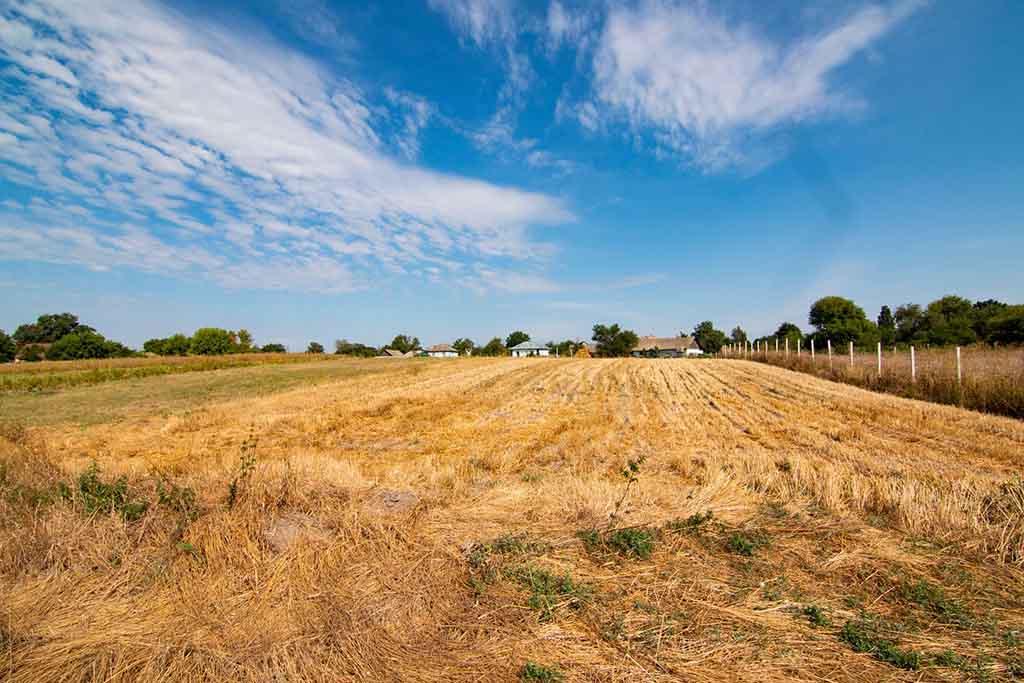
One of the first things to verify in your land-buying process is legal access. Ideally, the property should have direct access to a public road. Some parcels are reached through private roads or easements, which may create additional responsibilities or restrictions. Buyers should understand who maintains the road and whether there is a legally recorded right to access the property.
Next, investigate the condition of the land itself. A professional survey can confirm the property’s boundaries, identify easements, and help prevent disputes with neighboring owners. This is particularly important for larger or irregularly shaped parcels, where fences or other visible markers may not accurately represent the legal boundaries.
The property’s topography also matters. A steeply sloped lot may offer beautiful views, but could require extensive grading, retaining walls, or specialized engineering. Low-lying land may have drainage problems or flood risks.
Ultimately, spending money on inspections and professional evaluations may feel like an additional expense, but discovering a major problem before purchasing can prevent a much more costly mistake.
4. Understand Utilities and the True Cost of Developing the Property
One of the biggest differences between buying an existing home and buying land is infrastructure.
Before making an offer, determine how the future home will receive electricity, water, sewer, natural gas and internet service. In some locations, connecting to existing utilities may be simple, but more rural areas may require buyers to develop their own systems.
For example, a property without public water may require a private well or septic system. Additionally, extending electrical service to a remote property also can be expensive, especially if new poles, transformers, or underground lines are required.
Contact utility providers and ask about the estimated cost and timeline for connecting services. Buyers also should consider internet and cellular coverage. If high-speed internet is essential to your lifestyle, verify available options before purchasing the property.
Site preparation is another major expense. Depending on the land, future development may require tree removal, excavation, grading, drainage improvements, or construction of a driveway.
A property with a lower purchase price can ultimately cost more to develop than a more expensive lot with utilities and infrastructure already available. Comparing properties based on the total expected cost, rather than just the asking price, can help buyers make a more informed decision.
It also can be helpful to consult a builder before purchasing. An experienced local builder may be able to identify potential challenges involving the building site, access, drainage, and construction feasibility before you commit to the land.
5. Secure Financing and Build the Right Team for Your Future Home
Financing land can be more complicated than financing an existing house, as vacant land and construction projects can involve specialized lending products.
Construction loans are generally short-term loans used to fund the building or rehabilitation of a home. This type of financing could have higher interest rates than longer-term mortgage loans, according to the Consumer Financial Protection Bureau. Some loans may eventually convert into permanent mortgage financing, while others require separate permanent financing after construction is complete.
Buyers also may find financing options vary depending on whether they’re purchasing raw land, a partially improved parcel, or a homesite with existing infrastructure.
Because lending requirements vary significantly, it’s good to speak with multiple lenders that have experience with land purchases and custom-home construction.
Ask lenders about:
- Down payment requirements
- Interest rates and loan terms
- Whether the land can be included in future construction financing
- Whether a construction loan can convert to a permanent mortgage
- How long you have to begin or complete construction
For eligible buyers in qualifying rural areas, USDA Rural Development offers several programs that may help finance the purchase or construction of a home. USDA’s Single Family Housing programs include options that can help eligible households purchase or build homes in qualifying rural areas, subject to income, property, and program requirements.
It’s also important to assemble the right professional team. Depending on the property and your plans, that team may include a real estate agent experienced in land transactions, a real estate attorney, surveyor, builder, architect, engineer, and lender.
Before closing, make sure your purchase contract includes appropriate contingencies whenever possible. Depending on the transaction, contingencies may allow you time to complete inspections, verify zoning, review title information, confirm financing, or conduct other due diligence.
The Bottom Line: Buy the Land for the Home You Want to Build
When buying land, it’s important to look beyond the sticker price to understand if building your dream home is possible.
Before making a purchase, take the time to understand zoning, access, utilities, environmental conditions, flood risk, and development costs. Research the property’s history, work with experienced professionals, and avoid making assumptions based on what neighboring properties look like.
The perfect property may take time to find, especially if you have specific goals for location, acreage, or home design. Rushing into a land purchase without proper consideration could leave you with a property that is difficult or expensive to develop.
At the same time, buying land can be an exciting opportunity to plan for the future. Unlike purchasing an existing home, you have the chance to make decisions about everything from the location of the house to the design of the surrounding property.
With a clear vision, realistic budget, and thorough research, buying land can be the foundation for one of life’s most rewarding projects: building a dream home that is truly your own.
Contributor’s Bio: Grace Dickens is a Public Relations and Content Marketing Specialist at Zoocasa, an award-winning prop-tech company that uses technology to provide an intelligent, end-to-end real estate experience. With a background in visualization, Grace uses data-driven insights to shed light on what’s happening in housing markets across the United States to keep buyers, sellers and agents informed about their communities.