Safeload Coverage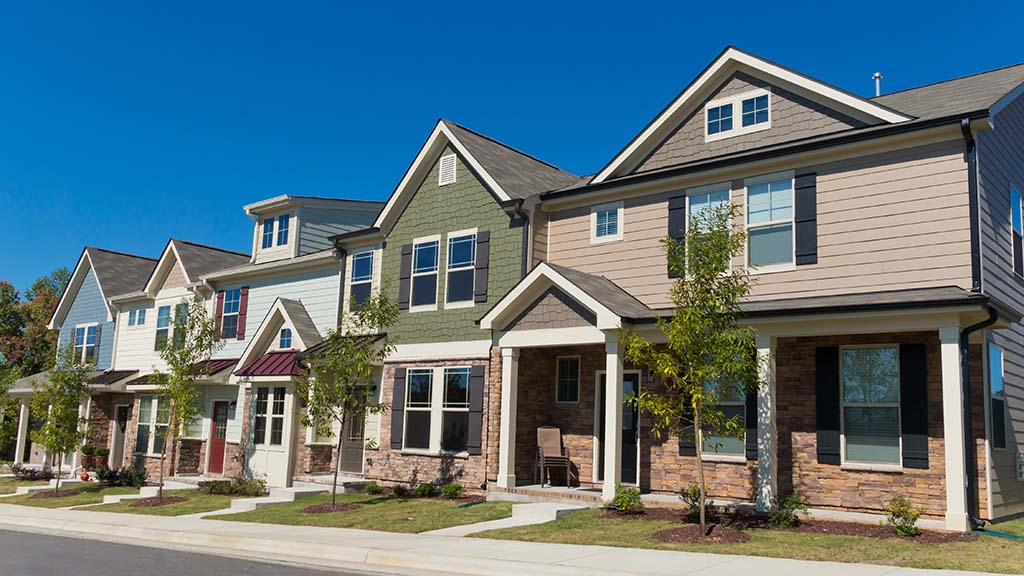
When considering urban living options, many people wonder, “What is the difference between a townhouse and a townhome?” The terms “townhouse” and “townhome” are often used interchangeably, yet they describe a similar style of dwelling that combines the convenience of condos with the feel of a single-family home.
Moving Help® will help you understand these distinctions and can help you make informed choices when looking to buy or rent in vibrant city environments. Let’s get started.
Exploring the Characteristics of Townhouses and Townhomes
Townhouses and townhomes are popular choices in urban and suburban settings, known for their efficient use of space and community-oriented design. Typically, these homes are part of a row of residences that share walls and have private entrances.
They often come with small outdoor spaces like yards or patios and may offer shared community amenities. Understanding what is the difference between a townhouse and a townhome can help you decide which suits your lifestyle best.
While regional terminology might differ, the core features remain consistent. Whether you’re purchasing, renting, or merely exploring your housing options, getting to know these attributes is essential for navigating your choices effectively.
Key Considerations for Prospective Buyers and Renters
Townhouses and townhomes provide a unique blend of communal and private living. These homes typically share walls with neighboring units, optimizing space in densely populated areas. Their multi-level design offers the advantage of small outdoor spaces, fostering a sense of privacy and community.
When evaluating these homes, consider lifestyle and financial implications. Often, townhouses involve homeowner association fees for maintenance and amenities, which can affect your budget.

Comparing Townhomes With Other Housing Types
Townhomes stand apart from condos and single-family homes because of their design and community aspects. Unlike condos, townhomes typically have private entrances and sometimes small yards. In contrast, single-family homes offer more privacy but usually require more upkeep.
Row homes and duplexes share similarities with townhomes but differ in design. Row homes maximize land use by attaching houses in a row, while duplexes consist of two units in one building.
Townhomes are increasingly favored for their affordability compared to single-family homes, appealing to a diverse demographic seeking community living with less maintenance.
The Advantage and Drawbacks of Townhouse Living
Living in a townhouse or townhome offers several benefits, including a strong sense of community. These homes are often part of larger developments where shared amenities promote a close-knit environment. Maintenance responsibilities are usually lower, as exterior upkeep might be managed collectively, providing a more carefree lifestyle.
Space can be limited, however, which may not be ideal for larger families. Noise from neighboring units is also a consideration, along with potential restrictions from homeowner associations on modifications.
Despite these drawbacks, townhouses offer a desirable balance between shared living and privacy, often at a lower cost than standalone homes, especially in urban settings.
Understanding Homeowners Associations
Homeowners Associations play a critical role in townhouse communities, managing maintenance and enforcing community standards. They oversee common areas and establish guidelines on property appearance and noise levels to maintain harmony.
While these regulations ensure community aesthetics, HOAs come with financial responsibilities through monthly or annual fees. It’s crucial to comprehend these rules and costs when considering a townhouse or townhome.
Financing and Insurance Considerations for Townhouses
Purchasing a townhouse involves various financing options, including conventional, FHA, and VA loans, depending on eligibility.
Insurance is vital, covering the unit’s interior, while the HOA manages exterior coverage.
Reviewing these financial aspects, including HOA fees and insurance policies, ensures a well-rounded approach to townhouse ownership.

Financing and Insurance Considerations for Townhouses
Purchasing a townhouse involves various financing options, including conventional, FHA, and VA loans, depending on eligibility.
Insurance is vital, covering the unit’s interior, while the HOA manages exterior coverage. Reviewing these financial aspects, including HOA fees and insurance policies, ensures a well-rounded approach to townhouse ownership.
Final Thoughts on Townhouse and Townhome Living
While “townhouse” and “townhome” are often used interchangeably, understanding what is the difference between a townhouse and a townhome can help you make a more informed decision. These dwellings offer a blend of single-family homes and condo benefits. Your choice should align with your lifestyle, budget, and amenity preferences.
Explore Moving Help’s insightful “Condo vs. Townhouse: Which Is Right for You?” article for more insights about condos and townhouses. You also can check out our condo buying checklist and moving into a condo checklist articles.