Safeload Coverage
Moving requires plenty of energy, planning, and flexibility, especially when you’re moving with children who are in elementary school. At this age, children are still developing socially and emotionally, which means moving experiences can deeply help and hinder how they’ll adjust to a new school and environment.
From packing their belongings to preparing them for a big change, parents have many factors to consider for their children. To help make the transition smoother, here are seven tips from Moving Help® to guide your family toward a stress-free and successful move.
7 Tips for Moving Students in Elementary School
1. Prepare Your Child Early
Young children may not fully understand why they need to leave their school, their friends, or their home they’ve attached to while growing up. Starting early gives them time to process the changes ahead.
Talk to them in simple, encouraging language and show them photos of their new school, the neighborhood, or even their new bedroom layout, so the move feels exciting instead of overwhelming.
Some families find it helpful to read children’s books about moving to spark conversations or to create a countdown calendar, so the child knows what to expect. Overall, the more familiar the idea becomes, the more supported and confident your child will feel.
2. Get the School Transition Started
Transferring to a new elementary school involves important paperwork, so it’s helpful to begin the process early. Before the move, let your child’s current school know that you’ll be moving and ask for any required academic records, immunization forms, and progress reports your new school may need.
Reaching out to the new school ahead of time also is helpful, as it gives you a clear understanding of start dates, bus routes, class placement procedures, and required documents. If possible, schedule a school tour, so your child can see the classrooms and playground and meet their teachers before their first day.
3. Pack a “Child’s Essentials Box” for Moving Day
On moving day, your child may feel restless, bored, or overwhelmed, especially when the house is full of boxes and moving equipment. Packing a special “child’s essentials box” or even a backpack helps them to have comfort items within reach.
Include their favorite stuffed animal, a change of clothes, snacks, drinks, books, or drawing supplies for entertainment.
Bedtime items like pajamas, nightlights, or a blanket also can help make the first night in the new home feel calmer and more familiar. Having everything in one place also gives parents a moment to focus on moving tasks without worrying about scrambling for items a child may need.
4. Let Children Help With Simple Packing Tasks
Moving doesn’t have to pull you away from your child. In fact, it can be a bonding experience when you give them small, age-appropriate tasks. Many children enjoy helping with simple tasks like packing their own toys, placing stickers or colored labels on boxes, cleaning, or choosing which items they want in their essentials box.
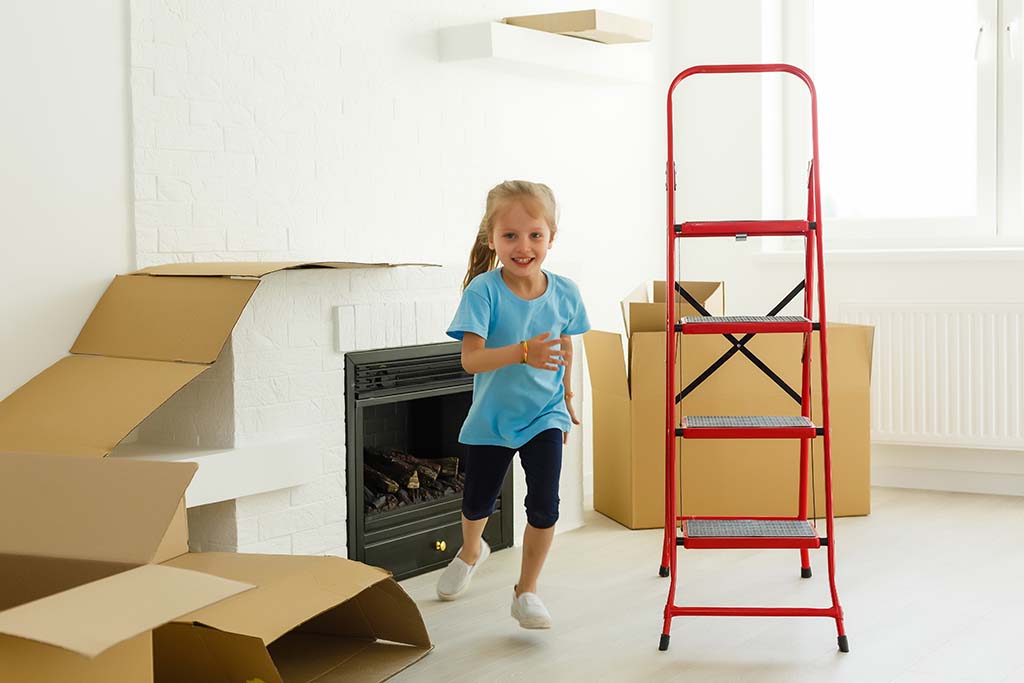
These small jobs help your child feel involved and give them a sense of ownership over the move. With guidance and supervision, these tasks also teach them responsibility and help ease anxiety by making the move feel like something they’re part of, not something happening to them.
5. Keep Children Safe and Supervised on Moving Day
While helping with easy tasks can be fun for children, the actual moving process involves heavy moving boxes, dollies, ramps, and equipment that can be dangerous for children. It’s best to keep them away from loading areas to avoid accidents.
Setting up a “child zone” in a quiet room with toys, coloring activities, or shows to watch can help keep them occupied.
You can also ask a relative, hire a babysitter, or let them play safely in the backyard — if the space allows — and check on them frequently.
6. Set Up Your Child’s Room Early
Once you arrive at your new home, setting up your child’s room should be a top priority. Children feel grounded when they see familiar items in place.
Making their bed, arranging their favorite toys, unpacking their clothes, and decorating the room with posters or comfort items helps create a sense of stability.
If space allows, set up a small reading corner or homework desk to help them settle into their new routines. If you surround children with a familiar, comforting environment, they’ll get less stressed and adjust better to new places.
7. Keep School Routines Consistent After the Move
Children thrive on familiar routines after moving.
Try to keep bedtime, mealtimes, and morning routines as close to normal as possible. Prepare for the first day at the new school in advance, such as meeting neighbors with children around the same age or walking the route to the bus stop. These can help build comfort.
Many schools also have orientation days or meet-the-teacher events, which are great opportunities for your child to start making connections.
Moving Help for the Whole Family
Moving with children requires extra attention, and handling everything on your own can quickly become overwhelming. Moving Help Service Providers offer flexible, affordable labor-only services that take the pressure off your shoulders.
You can hire professionals who assist with loading and unloading boxes, moving heavy furniture, navigating stairs, or setting up large items, all so you can focus on your child’s comfort and transition instead of the physically demanding parts of the move.
With the Moving Help Marketplace, you can choose the team that best fits your family’s schedule and needs.