Safeload Coverage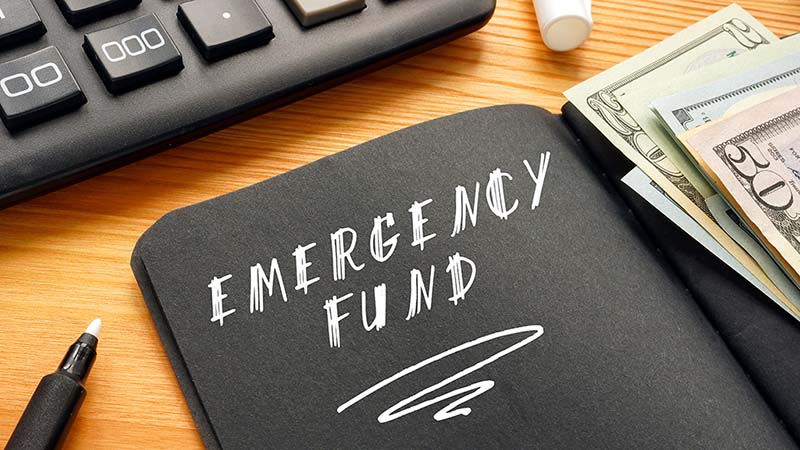
In today’s unpredictable world, financial stability is more important than ever. So, what is an emergency fund? It’s a dedicated savings account specifically set aside to cover unexpected expenses like medical bills, car repairs, or sudden job loss.
Having an emergency fund means you can handle unforeseen situations without financial stress, providing peace of mind and a strong foundation for your financial health. This Moving Help® guide will delve into the meaning of the emergency fund, how much is an emergency fund, and strategies to start building your fund today.
Understanding the Emergency Fund: Your Financial Safety Net
What is an emergency fund? It’s a financial cushion designed to help you manage unexpected expenses that could disrupt your financial stability.
The core emergency fund meaning is to prevent the need for high-interest debt in emergencies.
Ideally, your emergency fund should cover three to six months of living expenses, providing a buffer during tough times.
Unlike other savings accounts meant for planned goals like vacations or home purchases, an emergency fund is reserved exclusively for unforeseen expenses. This distinction is crucial as using your regular savings can derail long-term financial goals.
Regardless of income level or family size, everyone can benefit from an emergency fund. Understanding the emergency fund meaning and its value empowers you to maintain financial control during challenging periods.
Why You Need an Emergency Fund
An emergency fund is a key financial safeguard that provides peace of mind when unexpected expenses arise. With a specified amount of savings set aside, you can cover costs like medical emergencies or urgent home repairs without relying on high-interest debt.
This financial security is especially vital in today’s volatile economic climate.
Without an emergency fund, sudden expenses may lead to — debt accumulation — potentially creating a cycle that’s difficult to break.
In real-life scenarios, whether it’s a:
- Car breakdown;
- An urgent medical need;
Having an emergency fund allows you to manage these situations smoothly. Establishing an emergency fund is essential for financial preparedness and stability.
How Much Should Your Emergency Fund Be?
Determining how much is an emergency fund involves considering your monthly expenses and financial situation.
A common guideline is to save between three to six months’ worth of living expenses.
For example, if your expenses total $3,000 per month, aim for an emergency fund between $9,000 and $18,000. If your income is unstable, consider saving more to ensure adequate coverage.

Factors like:
- Job security;
- Health;
- Dependents;
It should influence the size of your emergency fund. Regularly review your fund to ensure it aligns with your current needs and adjust as circumstances change.
A well-maintained emergency fund adapts to life events, providing financial protection during uncertain times.
Optimal Storage for Your Emergency Fund
Choosing the right account for your emergency fund is crucial for balancing accessibility and growth. High-yield savings accounts or money market accounts are ideal as they offer better interest rates while keeping your funds liquid for emergencies.
Ensure your emergency fund is stored in an FDIC-insured institution to protect your deposits of up to $250,000. Even if the bank fails, this guarantees your savings are safe. Diversifying your funds across institutions can also provide added security and quick access when needed.
Building Your Emergency Fund: A Step-by-Step Approach
Building an emergency fund is a vital step toward financial security. Start by determining how much is an emergency fund for your needs — typically three to six months’ worth of expenses.
Assess your financial situation to decide how much you can save monthly, starting small and increasing as you cut unnecessary expenses.
Automate your savings by setting up a dedicated account and scheduling regular deposits. This “pay yourself first” strategy ensures consistent growth.
Regularly review and adjust your contributions as your financial situation changes and consider using a high-yield savings account to maximize your fund’s potential.
What Is an Emergency Fund? Start Building Yours Today
An emergency fund is essential for covering unexpected expenses like medical emergencies or job loss. By saving diligently, you can build a fund that provides financial stability and peace of mind during challenging times.
Ready to start your emergency fund?
Evaluate your monthly expenses and decide how much you can set aside. Open a dedicated savings account and automate your contributions for a streamlined process. With an emergency fund in place, you’ll be better prepared for life’s uncertainties.