Safeload Coverage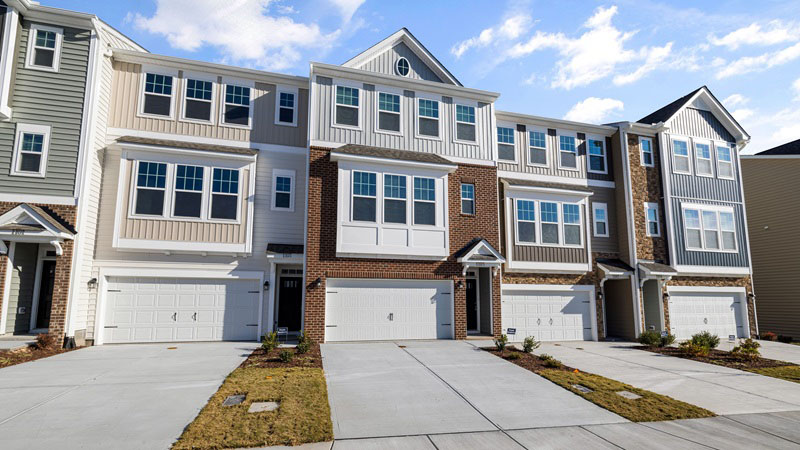
As far as real estate questions go, one of the most common questions people ask is, what’s the difference between an apartment, a townhouse, and a condo? It’s fair a question — all three property types are considered more affordable, offer a similar lifestyle, and are smart choices for small families/single individuals. But how are they different?
If you’re in the real estate market, understanding the differences between apartments, condos, and townhouses will help you narrow your search, create a realistic budget, and manage your expectations in the process, especially if you’re weighing buying vs. renting.
This Moving Help® guide will outline some of the key differences between these types of properties so you can house-hunt with confidence.
What Is an Apartment?
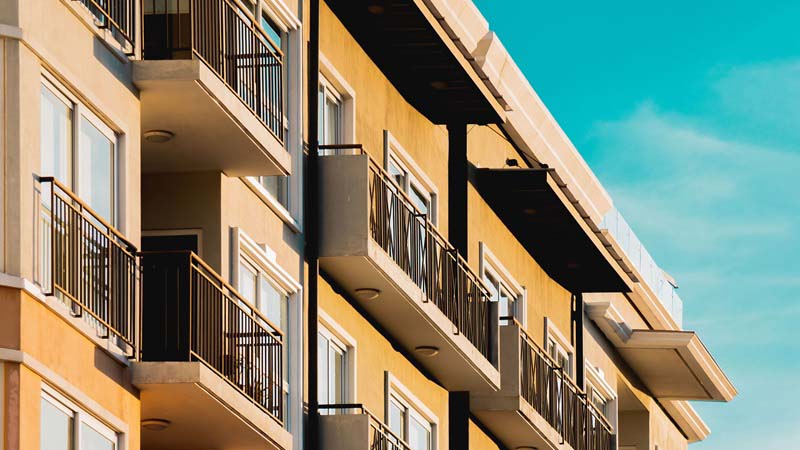
An apartment is often a single-story property that’s part of a multi-story, multi-property building. Apartments are typically located in urban areas and range in size from small studio apartments to larger, three-bedroom units.
A key fact about apartments is they’re usually rental properties.
To live in an apartment, a tenant signs a lease that lasts anywhere from 6 to 15 months. At the end of the lease, the tenant can re-sign their lease or move. That flexibility is part of the appeal of apartment living for many, especially single people, students, and couples without children.
Apartment units/buildings are owned by property management companies or by private landlords. Maintenance of the apartment building and individual properties is provided by the landlord/property manager as part of the lease agreement.
Apartment Pros and Cons
Apartment Pros:
- Amenities like swimming pools, fitness centers, business centers, and outdoor spaces
- Property owner is responsible for all maintenance and repairs
- Flexibility via short-term leases and no long-term commitments
- Generally lower upfront and monthly costs
Apartment Cons:
- No ownership/equity building
- Limited property customization
- Subject to rules/regulations set by the landlord
- Smaller living space
What Is a Condo?

Like an apartment, a condo is a property that is part of a larger, multi-property building or complex. In fact, people often confuse condos and apartments because they are identical in appearance, amenities, and lifestyle (shared spaces with neighbors, located in an urban areas, and on the smaller side in terms of square footage).
The main difference between an apartment and a condo is who owns it. As stated previously, a landlord or property management company owns the apartment. With a condo, the resident owns the condo. Naturally, condo ownership has pros and cons, much like renting.
A condo might be good if you don’t have a large family and prefer urban living but still want to build equity and are committed to living there for a long period.
Note that with condo ownership, you typically only own the inside of the unit. Thus, you’re responsible for maintenance and repairs. The outside of the unit (roof, common areas, etc.) is owned and maintained by all residents via the homeowner’s association (HOA).
Condo Pros and Cons
Condo Pros:
- Property ownership and equity building
- More customization opportunities inside the unit
- Amenities (swimming pool, fitness center, etc.)
- HOA maintains external/shared spaces
Condo Cons:
- HOA fees
- Subject to HOA rules/regulations
- Smaller living space
- Resident is responsible for property maintenance and repairs
What Is a Townhouse?
A townhouse is often a larger, sometimes multi-story property that’s connected to another property or two. That means townhouse residents share walls with each other, but that’s it.
No one is above or below you.
The largest difference between a townhouse and an apartment/condo is the structure and layout of the units — townhouses are typically on street level with a front door and maybe a small yard or patio, whereas an apartment/condo is within a larger building or complex.

Townhouse ownership is different as well. Townhouses are often individually owned, but they can be rental properties as well, owned by a private landlord or property management company. Townhouse communities are often managed by an HOA, however.
You can find townhouses in urban areas, but they also can be in suburban areas, making them a popular choice for a wide variety of residents, including small families, seniors, young adults, and single individuals. Generally speaking, a townhouse may be a fitting choice if you’re looking for a blend of a single-family home with apartment living.
Townhouse Pros and Cons
Townhouse Pros:
- More living space and privacy (closest to a single-family home)
- Ownership/equity building
- Geographic versatility (suburban and urban options)
- Better appreciation rate and resale value
Townhouse Cons:
- HOA fees
- Subject to HOA rules/regulations
- Resident is responsible for property maintenance and some external repairs
- Shared walls with neighbors
So, Which Living Option is Right for You?
Clearly, many similarities exist between apartments, condos, and townhouses.
They do have some key differences that play a role in determining what’s right for you as well.
Ultimately, your needs are the largest factor.
An apartment may be the right fit if you’re:
- On a budget
- Looking for the convenience of urban living
- Wanting a flexible living situation
A condo may be the right fit if you’re:
- Wanting to buy and build equity, but don’t need a large property
- Looking for the convenience of urban living
- Wanting to avoid maintenance and repairs as much as possible
A townhouse may be the right fit if you’re:
- Wanting to buy and build equity, but have more living space than a condo
- Looking to avoid the external maintenance and upkeep of a single-family home
- Want more options in terms of urban vs. suburban lifestyle
Moving Easier With Moving Help
When you’re ready to move into your new home, the Moving Help Marketplace is here. Since 2002, Moving Help has been connecting people with labor-only moving pros who make moving into apartments, condos, and townhouses easier.
Get a quote and book Moving Help Service Providers in minutes!
Apartment vs. Condo vs. Townhouse: FAQs
Is It Cheaper to Live in a Condo, a Townhouse, or an Apartment?
The short answer: it depends. Generally, living in an apartment is more affordable than living in a condo or townhouse. Even with a security deposit, pet deposit, and potential cleaning deposit, upfront costs for an apartment are lower than they are for a condo or townhouse (learn more about closing costs). Plus, you won’t have to pay for any maintenance or repairs or HOA fees during the course of your lease.
Which Option Has the Highest HOA Fees?
In general, condos have higher HOA fees than townhouses. That’s because condos typically include more high-maintenance amenities and building costs that residents pay for, like elevators, lobbies, hallways, and roofing. Townhouse owners are responsible for some of their external expenses, like roofs, walls, and landscaping, so HOA fees tend to be lower.
Which Option Offers the Best Resale Value for Buyers?
Townhouses typically have better resale value, and they appreciate faster than condos (although condos do appreciate). That’s primarily because townhouses more closely resemble single family homes as an independent property where residents have total control over their unit. Condos are a part of a building, so residents have less control over building maintenance, upgrades, and HOA fees, which hurt resale prices.
Who Is Responsible for Maintenance and Repairs in Each Home Type?
Responsibility varies depending on the property type:
- Apartments: Landlords are responsible for all maintenance and repairs.
- Condos: Residents are responsible for internal maintenance and repairs; HOA is responsible for external maintenance and repairs.
- Townhouses: Residents are responsible for all internal and some external maintenance and repairs; HOA is responsible for remaining external maintenance and repairs.
Note that all properties and HOAs have different rules and requirements. It’s best to check your property’s official documentation to see what you are responsible for your home.