Safeload Coverage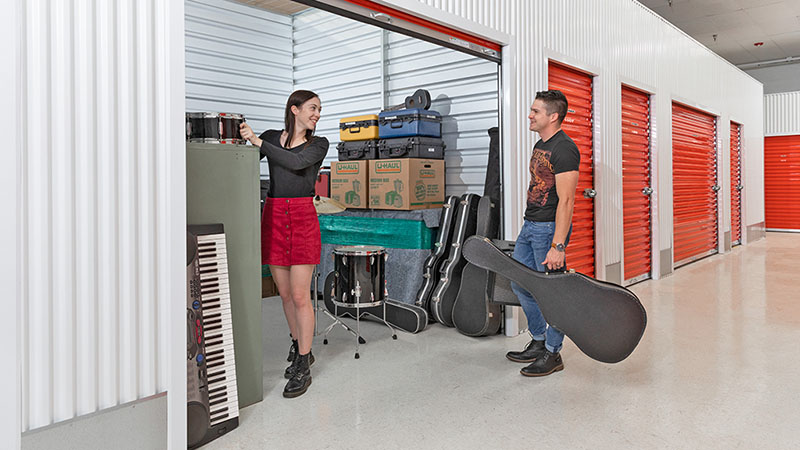
Moving out of a storage unit starts with deciding what you’re removing, where those belongings are going, and how you’ll transport them. If you only need a few items, you might handle the work yourself. Emptying an entire unit, however, may take more planning, time, and physical effort.
Before moving day, review the contents of your unit, confirm the facility’s access requirements, and determine whether you need storage unit movers to help with the loading. A clear plan can keep the process organized from the first item to the final inspection.
Before Moving out of a Storage Unit
A storage unit can look manageable until you start pulling items away from the door. Belongings may be stacked behind furniture, stored in hard-to-reach corners, or packed more tightly than you remember.
Visit the unit before moving day, if possible, and take inventory of what’s inside. During this visit, you can:
- Decide which belongings are leaving.
- Identify heavy, bulky, or fragile items.
- Check whether any packed items need to be reinforced or repacked.
- Estimate how much room you’ll need in your moving vehicle.
- Decide whether the move will require one trip or several trips.
- Confirm where everything will go after it leaves storage.
You also should contact the storage facility to confirm its access hours and move-out procedures. Ask whether you’ll need to use a particular entrance, reserve an elevator, follow parking instructions, or complete any administrative steps before ending your rental.
Requirements can vary by facility.
Unloading a Storage Unit Yourself
You might unload a storage unit yourself when you have a manageable number of belongings, enough time, and a safe way to transport everything.
Start by clearing the area around the items you plan to remove. Avoid pulling belongings from the bottom of a stack or reaching across unstable piles. If something is blocked, move the surrounding items first and rebuild the stack afterward.
As you work, keep the doorway and main walking path open. A clear route gives you room to carry belongings out without stepping around loose items or repeatedly moving the same objects.
Moving a Few Items out of Storage
You might visit your storage unit to retrieve seasonal belongings, several packed items, or one piece of furniture. Although this is a smaller job, it still helps to know where each item is located before you arrive.
When removing only a few belongings:
- Locate each item before rearranging the unit.
- Clear a path between the belongings and the door.
- Move anything blocking the items instead of reaching across a stack.
- Place the removed belongings in a safe staging area.
- Reorganize everything remaining in the unit.
- Update your inventory, so it reflects what is still in storage.
If you need an item from the back of the unit, plan enough time to move and restack the belongings in front of it. Rushing may leave the unit disorganized or make frequently used items harder to reach later.
Moving Many Items out of Storage
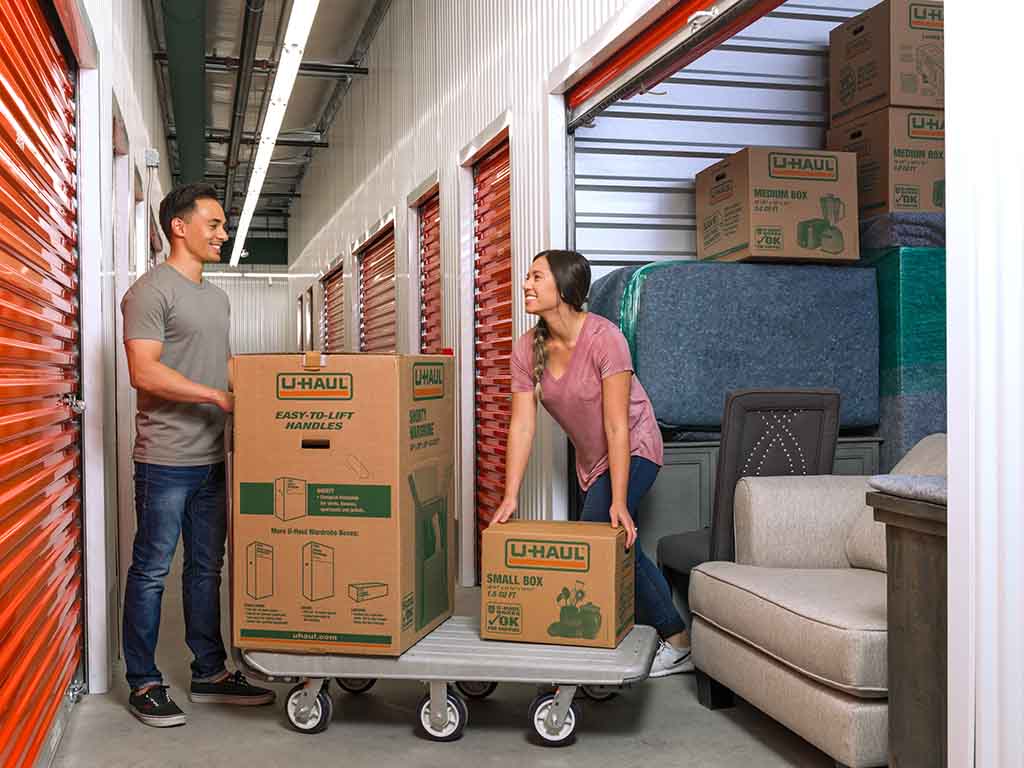
Removing most of a unit’s contents can take almost as much planning as emptying it. The main difference is you’ll need to keep the remaining belongings organized and accessible.
Separate the items into groups based on where they are going. For example, some belongings may be going to your home, while others may be donated, sold, or moved to another storage unit.
Before placing anything back inside, consider how soon you’ll need it again. Keep frequently used belongings near the front and leave a clear path to anything stored farther back.
When you finish, inspect the remaining stacks. Make sure they are stable and that heavier belongings aren’t resting on top of lighter or fragile items.
How to Empty a Storage Unit
Emptying a whole storage unit requires more than carrying everything through the door. You’ll need to sort the contents, load your moving vehicle, clean the empty space, and satisfy the facility’s move-out requirements.
1. Decide Where Everything Will Go
Give every item a destination before moving day. Your categories might include:
- Your home
- Another storage unit
- A family member’s or friend’s home
- A donation location
- A buyer
- An appropriate disposal location
Sorting as you load can create delays. If possible, make these decisions ahead of time and identify which items belong in which group.
2. Estimate the Size of the Job
Consider the number and type of belongings in the unit. A smaller unit filled with furniture might require more physical effort than a larger unit filled with lightweight items.
Your plan should account for:
- Heavy or bulky belongings
- Fragile items
- The distance between the unit and your vehicle
- Hallways, stairs, elevators, or tight doorways
- The amount of room available near the unit
- The number of trips required and people available to help
If your vehicle can’t hold everything, plan multiple trips or arrange another transportation option before moving day.
3. Create a Safe Route out of the Unit
Open the storage unit and inspect the contents before moving anything. Items may have shifted, leaned, or settled while in storage.
Start with belongings near the entrance but avoid removing items that support other objects. Work carefully until you have created enough room to reach the rest of the unit.
Keep the main path clear as the unit empties. Don’t place loose belongings in the doorway or in areas where other storage customers need to walk or drive.
4. Stage and Load Your Belongings
If the facility allows it and space is available, create a small staging area outside the unit. Grouping belongings before loading can help you see what still needs to fit inside the vehicle.
Load with the destination in mind. If certain items need to come off the vehicle first, avoid placing them behind everything else. Keep fragile belongings separate from objects that could shift against or rest on them.
Don’t load more weight than the vehicle can safely carry. Follow the vehicle manufacturer’s limits and secure the load before driving.
5. Inspect the Empty Unit
Once everything is out, check the entire unit before leaving. Look along the walls, in corners, around the doorway, and behind any shelving that belongs to the facility.
Remove trash and leave the space in the condition required by the storage facility. You also may want to photograph the empty unit for your records.
Finally, complete the facility’s move-out process. Emptying the unit may not automatically end your rental, so follow the instructions provided by the facility.
When Should You Hire Storage Unit Movers?
You may want to hire storage unit movers when the job involves many belongings, heavy furniture, difficult access, or limited time. Labor-only movers handle the physical moving work while you remain responsible for transportation and the overall moving plan.
Hiring assistance may be especially useful when:
- You’re emptying the entire unit.
- The unit contains heavy or bulky belongings.
- The unit is a long distance from the parking location or loading area.
- You can’t safely complete the lifting yourself.
- Belongings must travel through hallways or elevators.
- You need to complete the move within a specific window.
- You have help available at the destination but not at the storage unit.
- You need help at the destination and at the storage unit.
Before moving day, tell your labor-only movers which belongings need to be moved and about any stairs, elevators, long walking distances, access codes, or parking restrictions.
How Moving Help® Makes Unloading a Storage Unit Easier
The Moving Help Marketplace connects customers with independent Service Providers who offer labor-only moving services. Moving Helpers can load a few heavy items, remove many belongings, or help empty an entire storage unit.
Hiring Moving Help can reduce the lifting and repeated trips between the unit and your moving vehicle. This can be especially useful for heavy furniture, indoor units, long hallways, elevators, and tight access areas.
Before the job, explain what needs to be moved and provide clear instructions for entering the facility. If some items will remain in storage, identify them before your Service Providers begin.
Make Moving out of a Storage Unit More Manageable
Knowing how to move out of a storage unit comes down to planning the job around the amount you’re removing. A few accessible items may be an easy DIY project. A full unit, difficult access conditions, or heavy belongings may call for additional help.
Whether you’re taking home a few pieces or clearing the entire space, organize the contents, plan the transportation, and confirm the facility’s requirements before moving day.
Find Moving Helpers for your storage unit move and compare local Service Providers based on your needs.
Frequently Asked Questions About Storage Units
Q: How Do You Move out of a Storage Unit?
A: Remove your belongings, clean and inspect the unit, take off your lock, and notify the facility that you’ve moved out. Check your rental agreement for any additional requirements.
Q: Can You Just Abandon a Storage Unit?
A: No. Empty and clean the unit, remove your lock, and notify the facility. Otherwise, your rental may remain active, and you may continue to be billed.
Q: Is It Hard to Cancel a Storage Unit?
A: Ending a storage unit rental is usually straightforward. Empty and clean the unit, remove your lock, and follow the facility’s checkout requirements. Different businesses and even different locations can have varying policies about the checkout process, so verify with your specific location on how to move out of a storage unit properly.
Q: Can I Hire Storage Unit Movers for Only a Few Items?
A: Yes. Labor-only movers can load or unload a few belongings without emptying the entire unit. Clearly identify what should be moved and what should remain.
Q: Can Moving Helpers Empty an Entire Storage Unit?
A: Yes. Moving Helpers can load the contents of an entire storage unit into your moving vehicle. Service availability varies by location, date, and Service Provider.