Safeload Coverage
Moving can be tough for individuals, but for families, it often presents a whole new set of challenges. Children have to change schools and leave behind their friends, while adults have to settle in at new jobs and spend time planning the move itself.
The good news is you can take steps to offer comfort and ease the stress of moving a family. Many of the tips and strategies discussed in this guide are simple — all it takes is a little time and energy to make moving easier for your family.
From preparing for the move and engaging your children in the process to packing efficiently and organizing moving day activities, we’ve covered all bases. Here are five tips for moving for families, brought to you by the moving experts at Moving Help®.
1. Communicate Openly With Your Family
Successfully moving a family starts with great communication. We know you have much to tackle in the weeks leading up to moving day but be sure to dedicate some time to have an honest conversation with everyone in your household about the move.
Explain the “why,” most importantly, but also discuss other specifics, like where you’re moving to, when you’re moving, and what it means for them (packing, new school, new home, etc.) Don’t forget to be patient and listen — now’s the time to address concerns.
Don’t be surprised if this conversation is tough at first. After all, your kids will likely leave behind everything they’ve ever known! By getting out in front of it, though, you give them more time to ask questions and process the change.
Remember, this isn’t a one-time conversation. Check in often to make sure everyone is managing things well.
2. Involve Your Children in the Moving Process
With your children in the loop, you can start getting them involved in the moving process. Typically, the more engaged they are with the move, the less anxious they’ll feel about it.
You can involve your children in the moving process in several ways.
Have Them Give You a Helping Hand
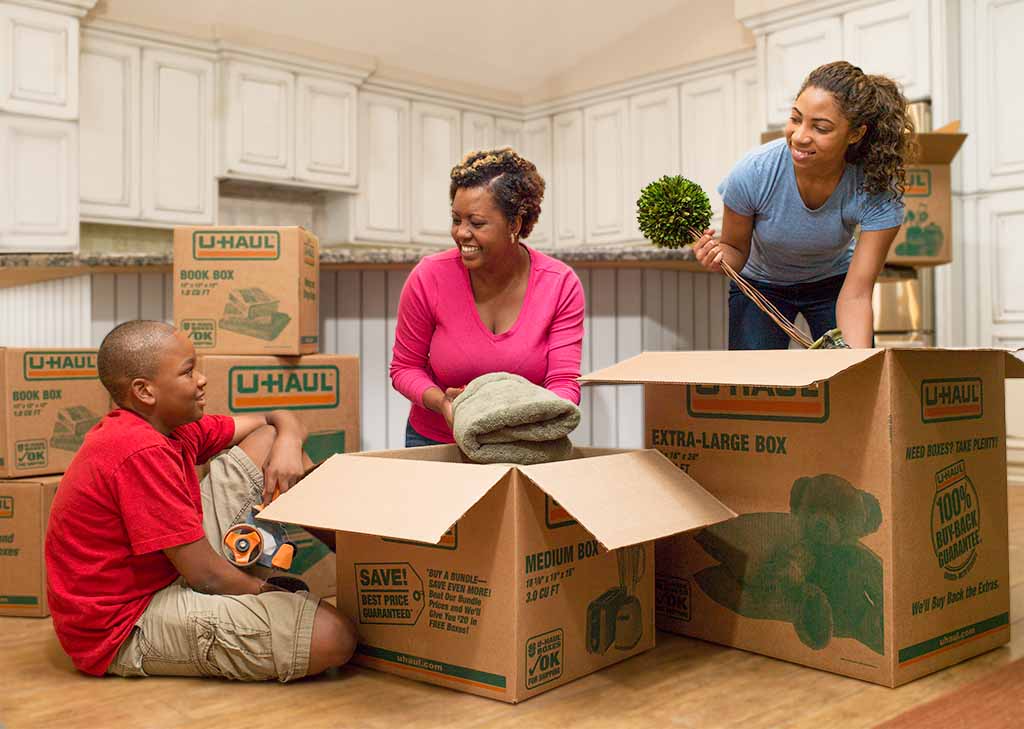
Depending on their age, you can usually get your children excited about moving by involving them in the process. While packing and unpacking may feel like a chore to you, for kids, it can be made into a fun game. Consider turning it into a friendly competition or offering a small reward for their help.
This way, they’ll feel more engaged and enthusiastic about the big move.
Get Their Input on Household Upgrades
Moving is the perfect opportunity to modernize your appliances, refresh your paint, experiment with new decor, and tackle other household upgrades. When the time comes, don’t forget to involve your children in the process. Asking for their input on these changes not only makes them feel included but also gives them a stronger sense of ownership in your new home.
Plus, it can be a fun way to bond as a family while creating a space that everyone loves.
Put Them in Charge of Their Own Move
This step is all about empowerment. You can put children in the driver’s seat in many ways, and it goes far beyond just packing their belongings.
Here are a few ideas:
- Have them create and manage their own personalized moving checklist.
- Have them sort their things into pack, discard, and donate categories to make packing easier.
- Allow them to choose and label their own boxes for added ownership.
- At your new space, let them lead the charge in unpacking and decorating their room.
3. Visit the New Area Ahead of Time
It’s highly encouraged that you visit your new community (and your new home) ahead of the move with the family, if possible. It’s hard to envision what your life is going to be like in a new place if you’ve never seen it. Visiting the new area gives everyone the chance to picture themselves there and see for themselves that it’s not so bad.
We recommend visiting local attractions that kids will appreciate, like:
- Parks
- Playgrounds
- The local library
- Their new school
- Other fun places around town
For adults and teens, take a drive to new jobs and schools to map out the commute, visit local coffee shops, and your nearest grocery store.
4. Create a House Moving Checklist for the Family
Don’t forget about moving day. Even with all the communication and empowerment in the world, the big day itself can be a challenge if you’re not prepared. With children, it can be even more hectic.
Do yourself a favor and develop a family moving day checklist to ensure everything runs smoothly. Begin by listing all tasks, such as loading items, checking inventory, and setting up utilities in the new home. This checklist guides everyone, reducing the chances of missing crucial steps.
Assign roles based on the strengths and ages of family members. Older children can help pack boxes and carry lighter items, while adults manage logistics. Clearly defining responsibilities minimizes confusion and makes the day more manageable.
If you move with small children, consider arranging child care services for the day. This will keep your children safe and entertained while you focus on moving tasks without distractions.
5. Settle in and Establish Routines
After the move is over, take time to help your family settle in at your new home by creating new routines.
This can be as simple as setting up consistent bedtimes, mealtimes, play time, and other scheduled activities. Keeping your family on a routine while they adjust to their new surroundings can help accelerate the process.
Another important step in this process is exploring your new surroundings. Visit the local park, go for bike rides or drives around the neighborhood, and stop by some local attractions.
This will help your family get to know their new environment at a faster pace, but in a fun, memorable way.
Spend More Time With Family and Less Time Moving
Helping your family move successfully is all about support, communication, and teamwork. A sure-fire way to be there for your family and ease the burden of moving is to get a helping hand with the heavy lifting.
The Moving Help Marketplace is the No. 1 place to find affordable, labor-only movers to help you transport your belongings from your old home to your new home. Moving Helpers also are available to help with packing and unpacking, allowing you to spend more valuable time with your family during the transition.