Safeload Coverage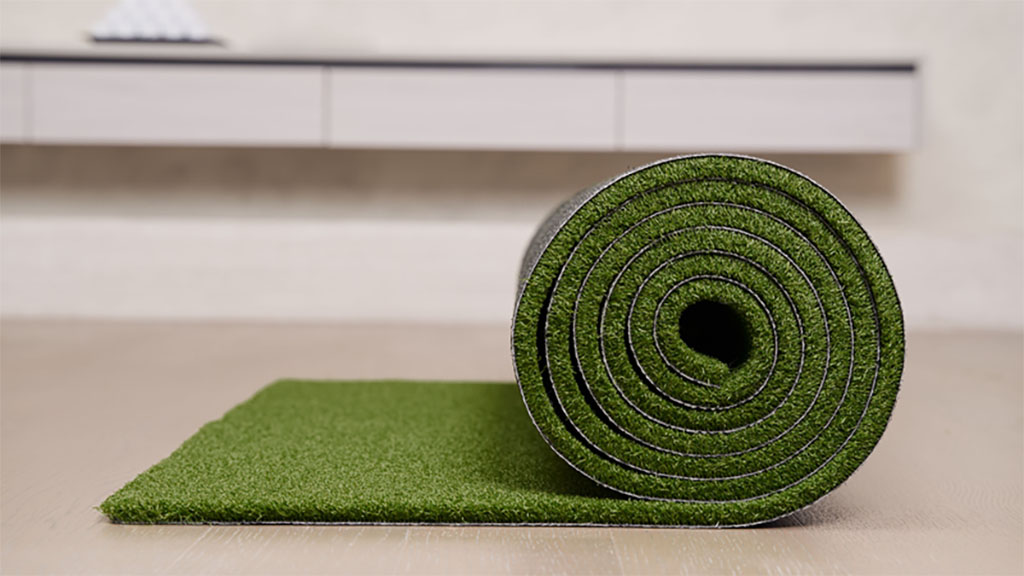
Have you ever wondered “what is artificial turf?”
Artificial turf is a manufactured surface designed to look and feel like natural grass, only without regular upkeep. You’ve probably seen it used in a variety of applications; sports fields, backyards, play areas, and other outdoor, green spaces.
Over the years, artificial turf has come a long way in terms of appearance, feel, and durability. If you’re considering installing artificial turf at your home or business, this Moving Help® guide will offer some helpful information about the synthetic surface.
Artificial Turf: The Basics
Artificial turf was popularized in the 1960s by a brand called AstroTurf®. Early turf iterations were made with dense, short-pile nylon fibers installed over hard underlayment. While durable, those first-generation surfaces were considered hard and abrasive with limited cushioning.
Today, artificial turf is much softer and more realistic, in feel and appearance. It contains plastic fibers tufted into a backing and supported by infill, delivering a realistic, more cushioned impact. Modern turf also utilizes realistic color blends and blade shapes.
Artificial turf requires little maintenance while offering many of the same benefits as having a lush, natural lawn — comfort, visual appeal, and versatility.
What Is Artificial Turf Made Out of?
When people search “what is artificial turf” or “what is artificial grass,” they’re typically seeking how the materials and layers come together to create a realistic, resilient surface.
Most artificial turfs feature synthetic grass blades made from plastic fibers that are tufted into a backing material and supported by an infill that holds the blades in place and provides cushion.
Common grass fiber types include:
- Polyethylene (PE): Soft, UV-stable, and realistic, making it the most popular choice for residential lawns, playgrounds, and general-purpose landscapes.
- Polypropylene (PP): Stiffer and generally more budget-friendly; frequently used for putting greens or low-traffic zones where a firm surface is preferred.
- Nylon (PA): Extremely resilient and heat resistant, ideal for high-traffic areas, sports sidelines, and specialty zones; typically, a higher-cost option.
Common infill types include different types of sand, recycled tires (commonly known as crumb rubber), or other organic materials. The backing is made from perforated polypropylene or polyurethane to allow drainage. These components work together to determine how the surface looks, drains, and performs over time.
Common Applications
As mentioned previously, artificial turf comes in several varieties. Each type of turf has its own specific application, depending on the design:
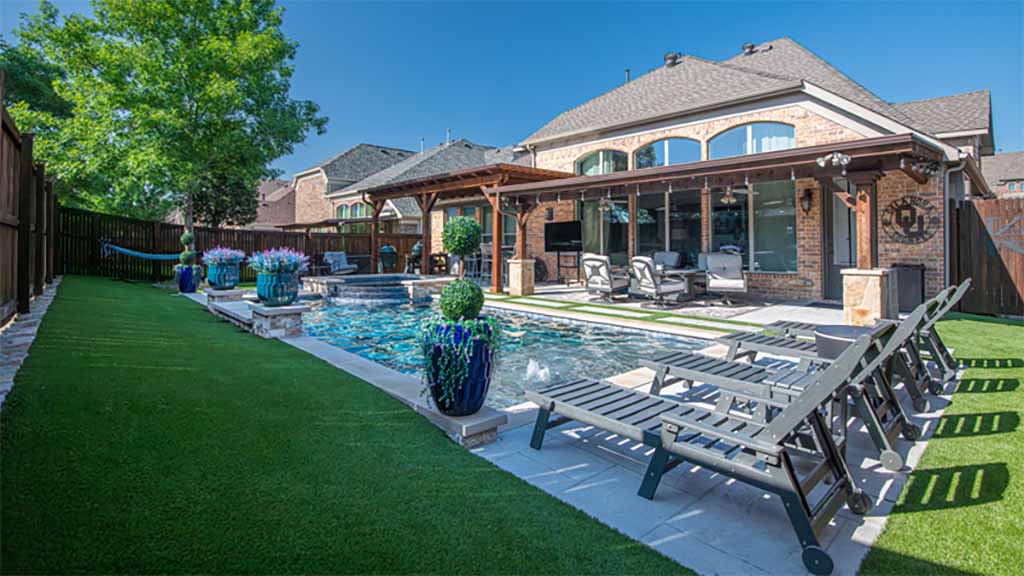
- Landscaping: Made with a denser, lushier appearance.
- Sports: Often shorter in height and more durable than landscaping turfs.
- Play area: Typically made with extra cushioning to protect children from falls.
- Pets: Designed for odor control and easy cleaning.
Artificial Turf Care and Maintenance Tips
Although artificial turf requires little maintenance, especially when compared to natural lawns, it still does need some TLC every now and then.
Semi-Regular Maintenance
- Debris removal: Use a plastic rake or leaf blower to clear leaves and litter.
- Brushing: Groom high-traffic zones to redistribute infill and stand fibers upright.
- Spot cleaning: For spills or pet messes, remove solids promptly and rinse with water. Enzymatic cleaners designed for synthetic turf help control odors. Avoid harsh solvents or undiluted bleach.
Seasonal Tasks
- Dusty climates: Occasional rinsing reduces buildup.
- After storms: Inspect edges and seams for movement and check drainage paths.
- Snow and ice: Allow snow to melt naturally when possible. If removal is necessary, use a plastic shovel carefully to avoid snagging fibers.
- Heat: Turf can feel warmer than natural grass in full sun. Consider shade sails, misting, or cooling infill on peak heat days.
Occasional Repairs
- Seam separations or lifted edges: Clean and dry the area, then reglue using outdoor adhesive and seam tape.
- Flattened fibers: Thorough brushing and natural sunlight often restore the pile. Avoid open flames or high-heat tools.
- Patching: For localized damage, cut a matching piece and seam it in place following standard seam techniques.
Artificial Turf vs. Real Grass
If you’re wondering what’s best for you, artificial turf or real grass, we’ve broken down some of the key differences below.
Maintenance
As we’ve outlined above, a key difference (and benefit) of artificial turf is that its low maintenance compared to a natural lawn. Lawns require regular mowing, fertilization, watering, weeding, and occasionally re-seeding to look their best. If you’re looking for something less labor-intensive, consider artificial grass.
Cost Considerations
Installing turf typically costs considerably more upfront than a lawn, but over the long run, you could stand to save money. Maintaining a lawn requires regular watering, tools, and other lawncare supplies, whereas installing turf usually requires one upfront payment (often priced $1 to $3 per square foot, plus labor).
Heat
If you live in a warm climate, note that turf can get extremely hot when in direct sunlight, reaching triple-digit temperatures in some climates. Compare that to natural grass, which stays much cooler and can even provide lower ambient temperatures. If you plan on spending plenty of time outdoors on your turf, consider how the heat might negatively impact your experience.
Environmental Impact
It’s worth noting that although artificial turf has many beneficial features, critics point out the presence of toxic materials and the potential harm it can have on people and the environment. It’s best to consider your situation and your personal needs when deciding whether to install artificial turf.
So, Is Artificial Turf Right for You?
As we’ve outlined throughout this guide, artificial turf is a popular choice for homeowners, business owners, landscape designers, and sports teams for many reasons. It’s durable, easy to maintain, and it gives off a realistic feel and look to that of natural grass.
For anyone asking what is artificial turf at a practical level, the answer is a purpose-built landscape system balanced to your site, climate, and usage.
If your project involves clearing outdoor furniture, staging materials, or coordinating work as part of a broader relocation, Moving Help can connect you with local labor to keep everything on schedule. With the right team and a well-chosen turf system, you can enjoy year-round curb appeal and reliable performance for years to come.