Safeload Coverage

An accessible move doesn’t have to be challenging, but it may require additional planning, preparation, and coordination. Going through the entire game plan can make moving day easier. The Moving Help® Marketplace has an accessible moving checklist with 10 tips to prepare for your accessible move.
When you hire moving labor from Moving Help, it can make the physical parts of moving more manageable because Service Providers can help handle heavy furniture.
10 Ways to Prepare for an Accessible Move
Here are 10 tips you should know for your accessible move. If you don’t have time to read all 10 points, jump to the one that matters most to you.
1. Review Your New Home for Any Accessibility Challenges
Before you move into your new home, you should review any accessibility challenges you, your friends or family, or Moving Helpers might face. It’s important to take notes and write down these details.
That way, you won’t have any major surprises on moving day. Additionally, you can prepare ahead of time for any challenges.
2. Create a Plan for Your Mobility and Communication Needs
Following up on the first point, you should plan for your mobility and communication needs. This could mean having a family member help you with mobility concerns or communicating to your Service Provider exactly what you need on moving day.
3. Plan for Medications and Medical Equipment
This might be the most important tip on this list. When moving with a disability, it’s paramount that you keep any medications and medical equipment you need with you. You don’t want to accidentally leave anything at your old home, in the U-Haul truck rental, or outside your new home.
4. Find and Book Moving Labor Help
Once you figure out what you, your friends and family, or your caregiver can handle, you can figure out what kind of help you need from your moving labor team. The two most important services you’ll probably need from your labor-only movers are:

The two most important services you’ll probably need from your labor-only movers are:
They can handle the heavy lifting for you. Do you have a heavy mattress? No problem. Do you own a sectional couch? Easy. They can take care of it for you.
Find the right moving labor Service Providers who fit your needs and budget on the Moving Help Marketplace.
5. Declutter Your Home
When it comes to moving, one of the best steps you can take is to declutter your home. The fewer items you own, the fewer items you have to move.
When going through your belongings, you’ll want to create three spaces:
- Keep
- Donate
- Throw away
Just don’t get distracted by every single item you own. You should keep this process relatively quick.
6. Set up Utilities at Your New Home
Setting up utilities at your new home can be especially important if you rely on electricity, internet, or phone service for medical equipment, communication tools, emergency alerts, or other accessibility needs. Make sure the utilities you need are active and working before moving day to help prevent interruptions and potential safety concerns.
Moving Help recommends setting up your utilities a couple of days before moving day, especially if you can visit your new home ahead of time. As always, you’ll know best when you need to make sure your utilities are set up and working.
7. Change Your Address
During the hustling and bustling before, during, and after moving day, small details can sometimes be forgotten. Changing your address is one of those small details.
It’s important to change your address wherever necessary before moving day. If you hope to get your security deposit or your cleaning deposit back after moving out of an apartment or rental house, your landlord needs a forwarding address.
It’s important to change your address wherever necessary before moving day. If you hope to get your security deposit or your cleaning deposit back after moving out of an apartment or rental house, your landlord needs a forwarding address.
8. Pack Your Belongings With Accessibility in Mind
When you begin packing your items, you should keep your accessibility needs in mind. If you know you use something frequently for an accessibility need, make sure the box is labeled clearly and, if possible, the item isn’t placed at the bottom of the moving box.
You might even create a separate accessibility moving checklist when it comes to packing to help keep you organized.

9. Clearly Label All Moving Boxes
Related to the previous point, you’ll want to clearly label all moving boxes. You don’t want to write just “Kitchen.” You should list the items that are in each box.
It’s also a best practice to highlight in some way any accessibility-related items that you might need. If you have multiple boxes, this will help you identify where those belongings are located.
10. Finalize Your Moving Day Game Plan
One of the most important final steps is to confirm and finalize all details for your move. This is your opportunity to go over any details and/or last-minute details with your Moving Helpers. If you have additional help — such as friends, family members, or caregivers — this is the time to make sure they’re notified and aware of their roles and the tasks they’ll complete on moving day.
Keeping everyone on the same page is vital for limiting miscommunications on moving day.
How Can I Make Moving Easier If I Have a Disability?
The best way to make moving easier is to build the process around what works for you. Give yourself enough time, divide large projects into smaller tasks, and ask for help with parts of the move that could be difficult, tiring, or unsafe to complete on your own.
Keep medications, medical supplies, mobility equipment, communication devices, chargers, identification, and other essentials with you instead of placing them in the moving truck. You also can reduce moving-day stress by keeping pathways clear, scheduling rest breaks, and labeling the boxes you will need first in your new home.
Tell family members, caregivers, and Service Providers what support you need before the move begins. This might include leaving room for a mobility device, placing boxes in specific rooms, keeping essential items nearby, or helping with packing and heavy lifting. Independent Service Providers available through the Moving Help Marketplace may offer packing and unpacking, loading and unloading, and other moving labor services, allowing you to focus on your comfort, transportation, and other personal needs.
What Should I Consider When Planning a Move With a Disability?
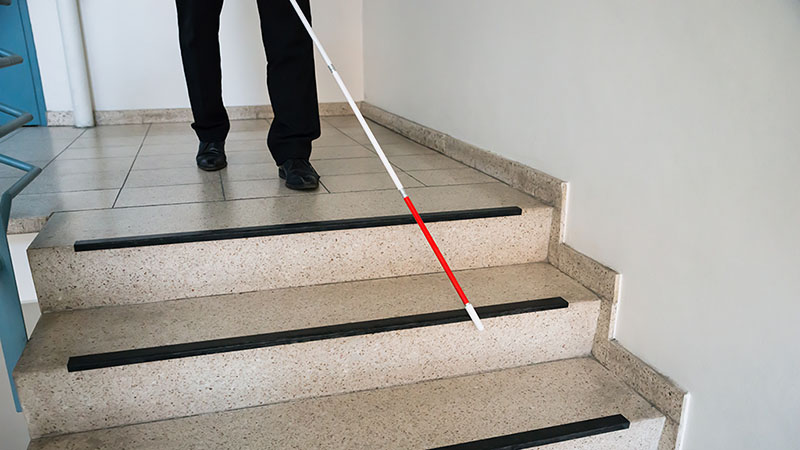
Your moving plan should reflect the routines, equipment, communication methods, and support that help you throughout the day. As you create your accessible moving checklist, think about what you’ll need while traveling, entering your new home, unpacking essential items, and settling into your space.
Review the accessibility of both homes, including entrances, walkways, stairs, elevators, parking areas, bathrooms, and bedrooms. You also should plan for medications, medical equipment, service animals, transportation, rest breaks, and any assistance you may need. Preparing for these details early can make moving day feel more organized and manageable.
How Can someone With a Disability Get Help With the Physical Parts of Moving?
Someone with a disability can get physical moving help from family members, friends, caregivers, or labor-only Service Providers. Your accessible moving checklist should identify which tasks you can handle comfortably and which ones you would prefer to delegate.
You can find independent Service Providers through the Moving Help Marketplace who may offer packing and unpacking, loading and unloading services, and more.
Before booking, compare services, prices, customer reviews, and ratings to find a Service Provider who fits your needs. Share relevant instructions ahead of time, such as which items require special handling, where boxes should be placed, and which pathways must remain clear.
Make Your Accessible Move Easier Today
Using an accessible moving checklist can help keep you organized for your move. You can make the physical parts of moving more manageable by finding a Service Provider from the Moving Help Marketplace.
Find your moving labor dream team today.
Related Articles